English Ivy, known for its lush, cascading vines, is a versatile plant that enhances both aesthetics and energy in homes. As a popular choice in Feng Shui, this evergreen vine promotes harmony and prosperity.
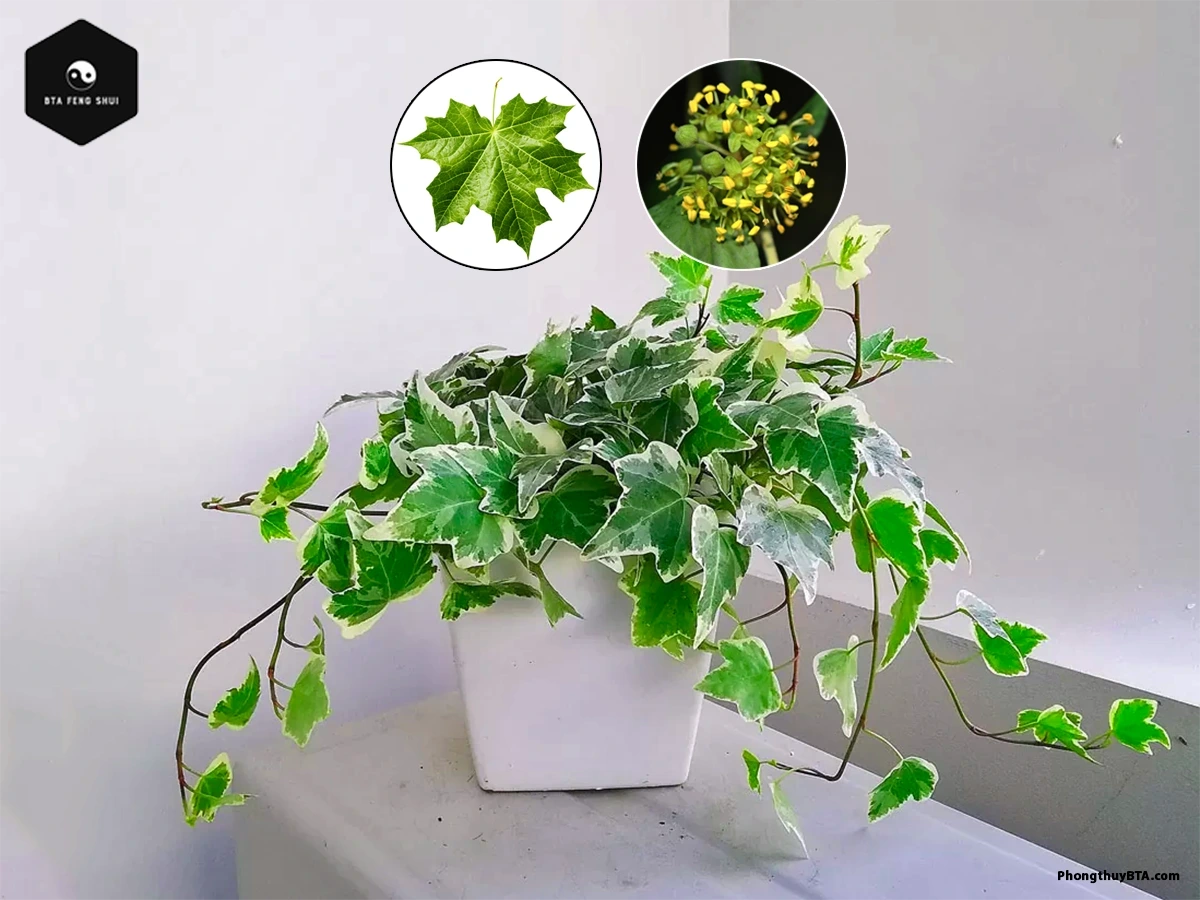
Curious about how to grow and care for English ivy while harnessing its spiritual benefits? Let’s explore its characteristics, care tips, and Feng Shui significance to elevate your space.
Discovering English Ivy: A Timeless Evergreen
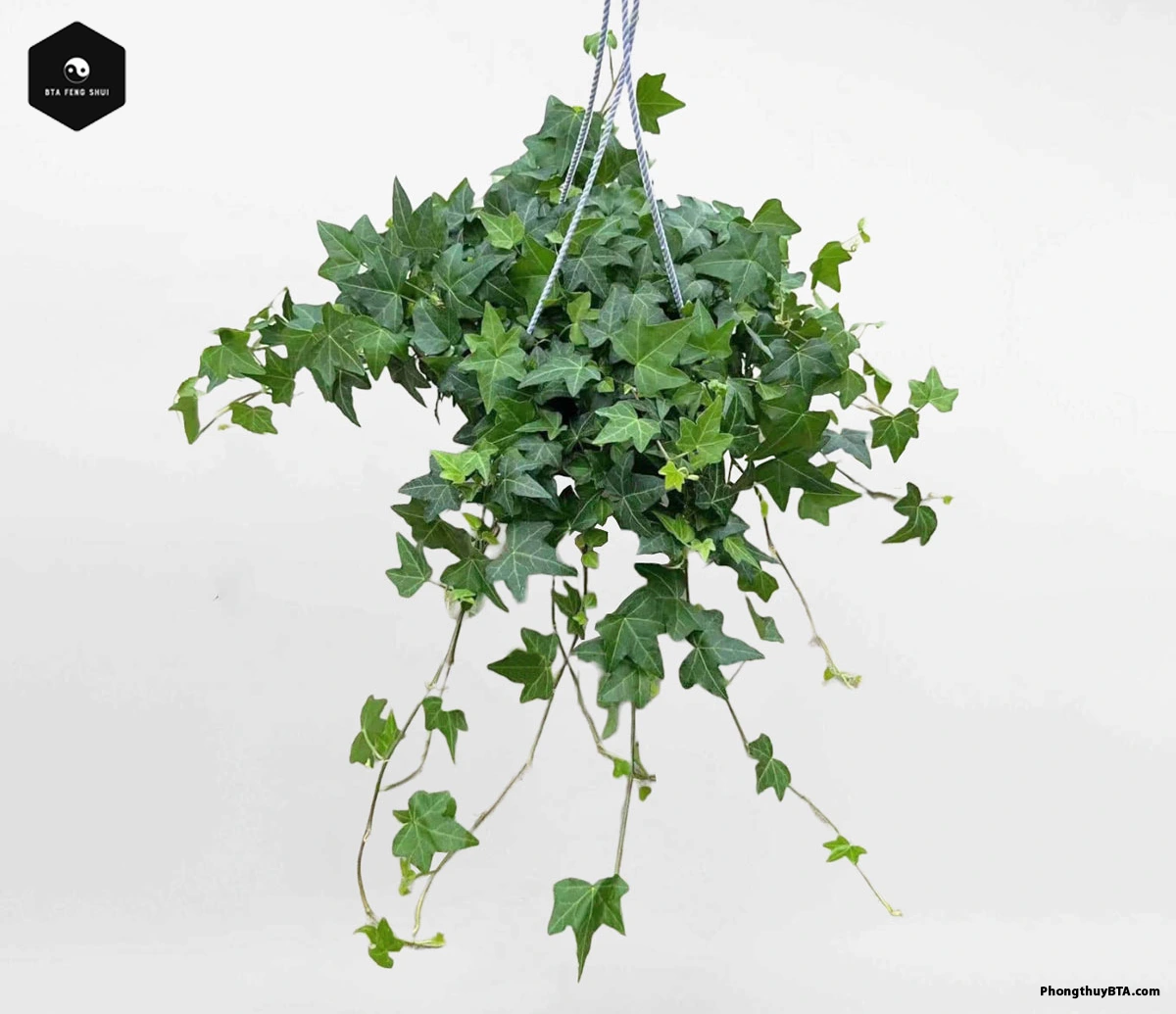
English ivy, or Hedera helix, is a beloved plant admired for its vibrant foliage and adaptability. Its climbing or trailing nature makes it ideal for indoor and outdoor settings, from hanging baskets to garden trellises. Below is a comprehensive overview of this plant’s key traits.
Key Characteristics of English Ivy:
- Common Names: English ivy, common ivy, European ivy, ivy vine, hedera ivy, British ivy.
- Scientific Name: Hedera helix
- Family: Araliaceae
- Plant Type: Evergreen perennial, woody climbing vine
- Mature Size: Can climb up to 80 feet or spread horizontally as ground cover
- Native Area: Europe, Scandinavia, Russia
- Bloom Time: Fall (produces small greenish-white or yellowish flowers)
- Fruit: Small, berry-like, reddish or yellowish (toxic to humans and pets)
- Toxicity: English ivy is toxic to humans and animals if ingested, causing symptoms like vomiting or skin irritation from sap exposure.
Appearance and Growth
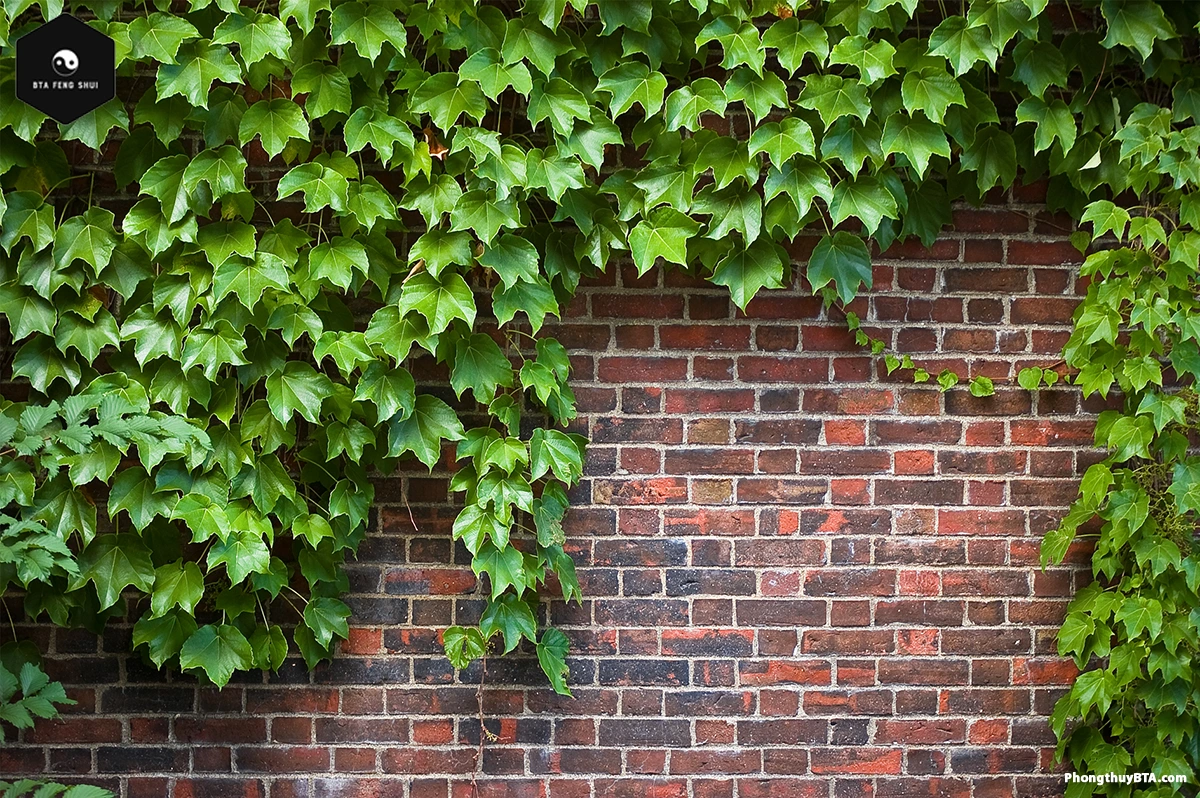
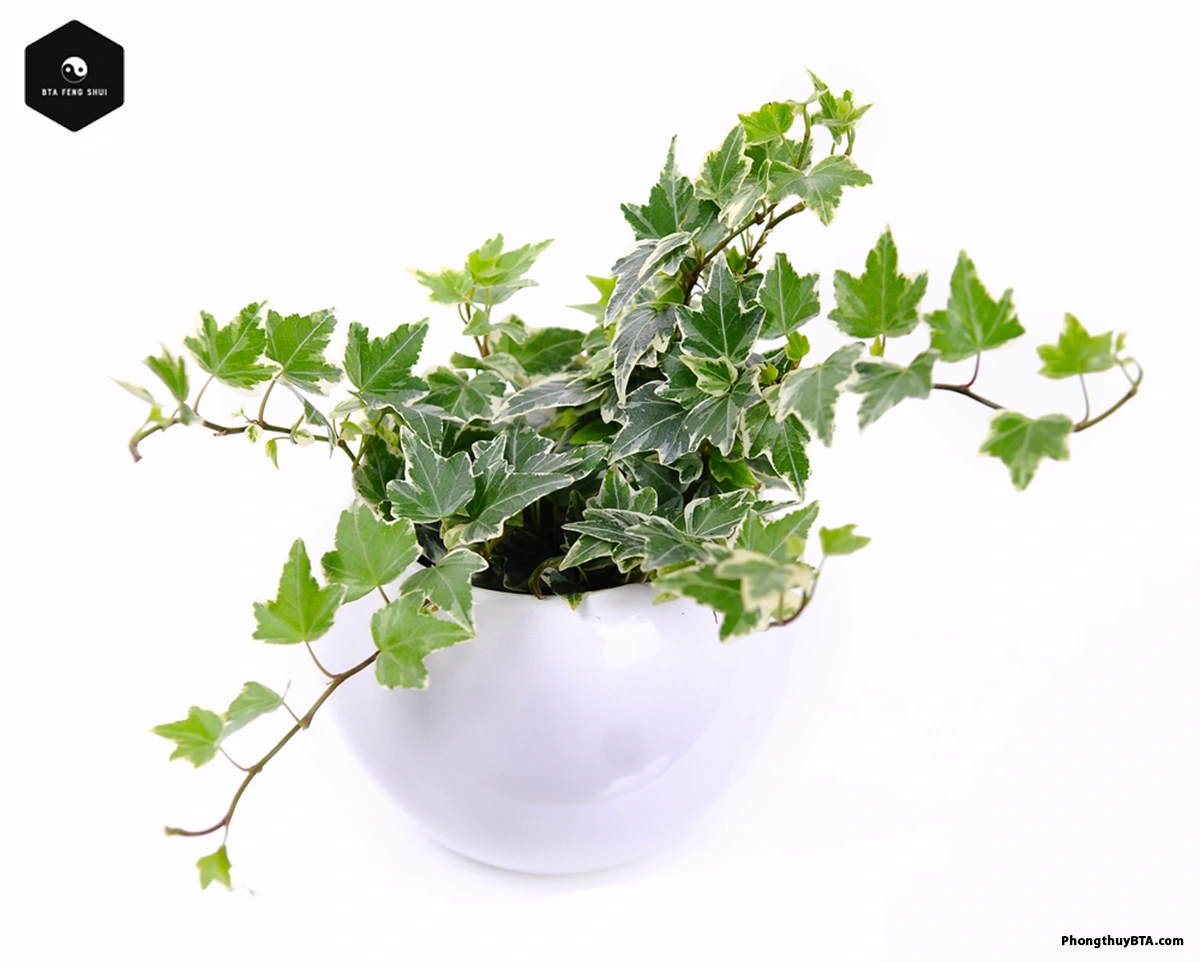
English ivy features heart-shaped, dark green leaves that deepen in color as they mature. Young leaves are lighter, while older ones develop a glossy sheen.
The plant’s aerial rootlets allow it to cling to surfaces, making it a natural climber or effective English ivy ground cover. Its vigorous growth can fill spaces quickly, but in some regions, it’s considered an invasive species due to its ability to outcompete native plants.
Growth Considerations
While English ivy is low-maintenance, its rapid spread requires careful management, especially outdoors. In areas like California and the Pacific Northwest, it’s classified as an invasive English ivy. Always check local regulations before planting to avoid ecological harm.
Feng Shui Significance of English Ivy
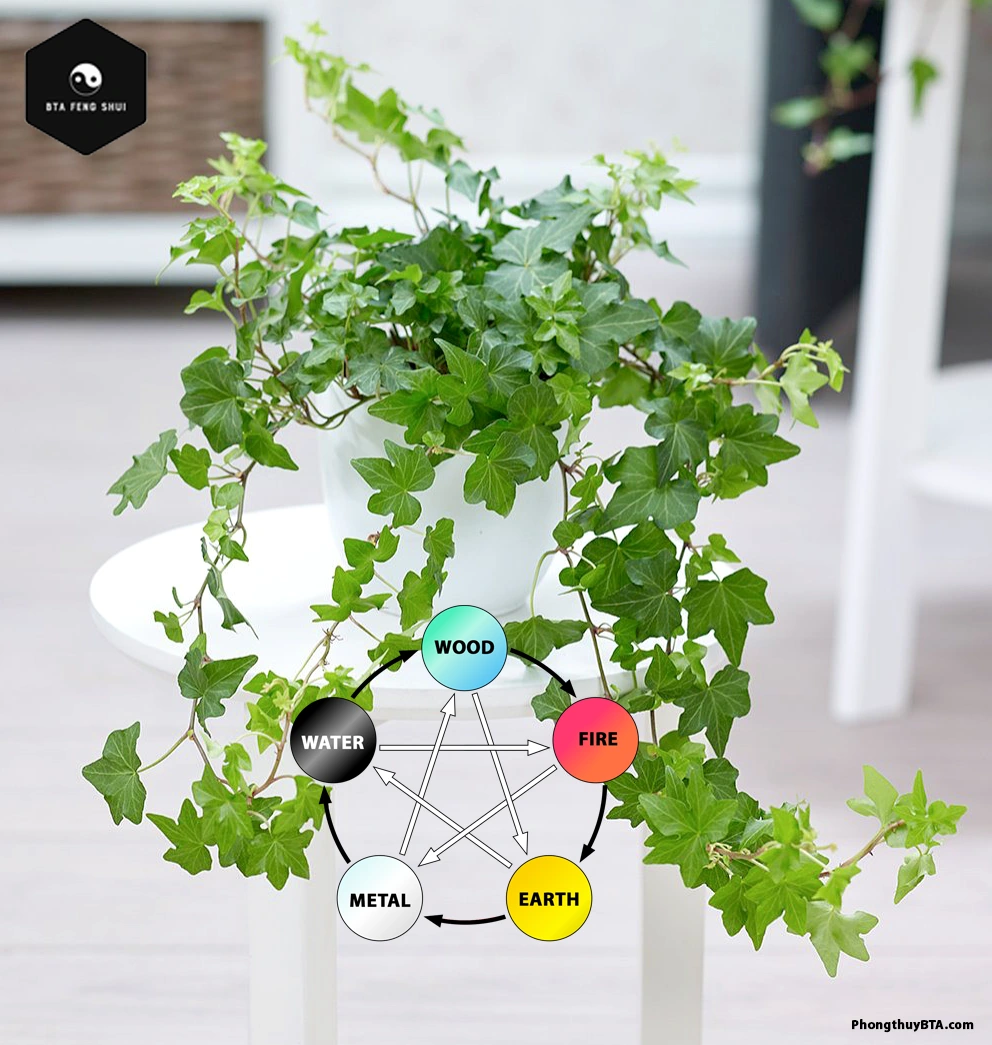
In Feng Shui, English ivy is prized for its vibrant energy and ability to foster balance. Associated with the Wood element, its green foliage symbolizes growth, vitality, and renewal. Here’s why it’s a Feng Shui favorite:
Promoting Prosperity and Protection
- Wealth and Abundance: The plant’s lush, spreading vines represent expansion and financial growth, making it ideal for the Wealth corner (Southeast) of your home.
- Warding Off Negativity: English ivy is believed to dispel negative energy and protect against misfortune, creating a peaceful environment.
- Harmony and Connection: Its intertwining vines symbolize strong relationships and unity, perfect for fostering bonds in shared spaces.
Ideal Placement
Place English ivy indoors in areas needing a boost of positive energy, such as living rooms or offices. Avoid bedrooms, as its strong Wood energy may disrupt restful sleep. For outdoor settings, use it to soften harsh corners or cover fences, enhancing the flow of chi.
=>> See also: All Types of Feng Shui Plants
How to Care for English Ivy
Growing a healthy English ivy plant requires attention to its specific needs. Follow these expert tips to ensure your ivy thrives indoors or outdoors.
Propagating English Ivy
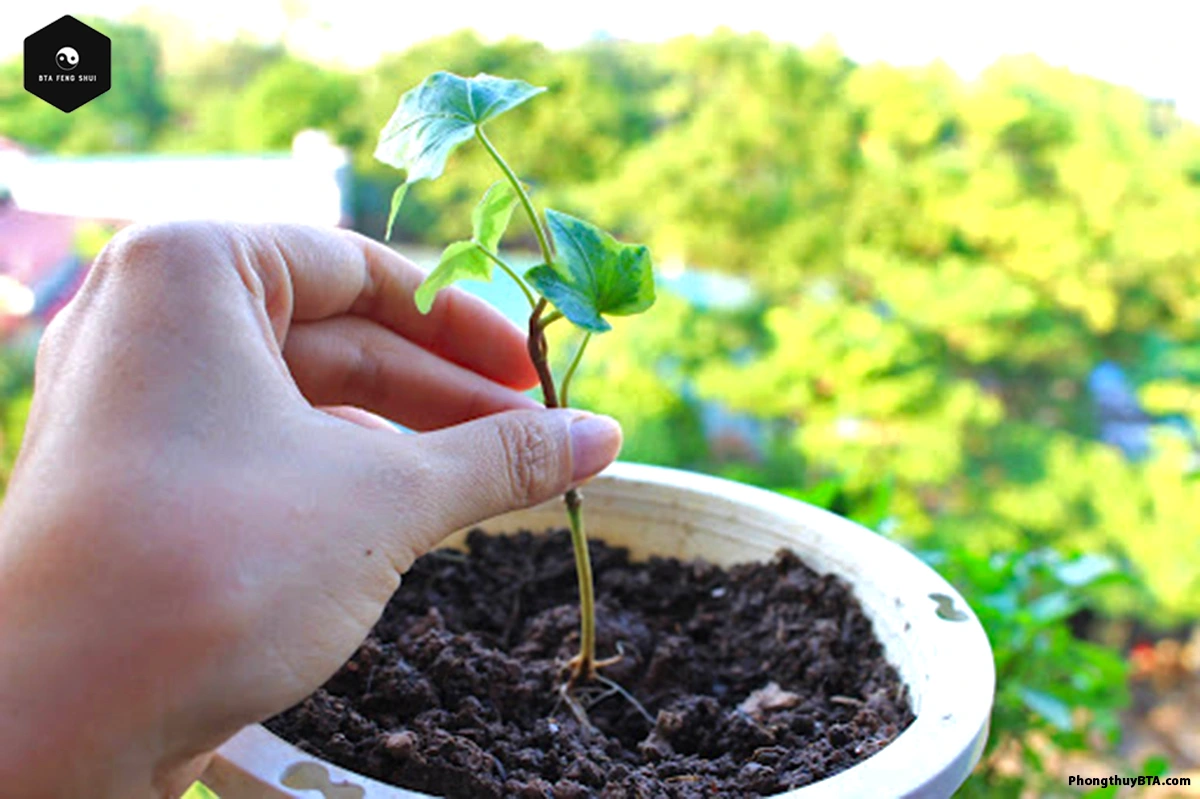
- Stem Cuttings: Select a 4-5 inch healthy stem, cut below a node, and remove lower leaves. Place in water until roots form (2-4 weeks), then transfer to soil or grow as a hedera helix indoor plant.
- Ground Layering: For outdoor plants, pin stems to the soil to encourage rooting, then transplant rooted sections.
Soil and Planting
- Soil Type: Use well-draining soil rich in organic matter, such as a mix of peat moss, perlite, and vermiculite. For planting English ivy indoors, ensure pots have drainage holes.
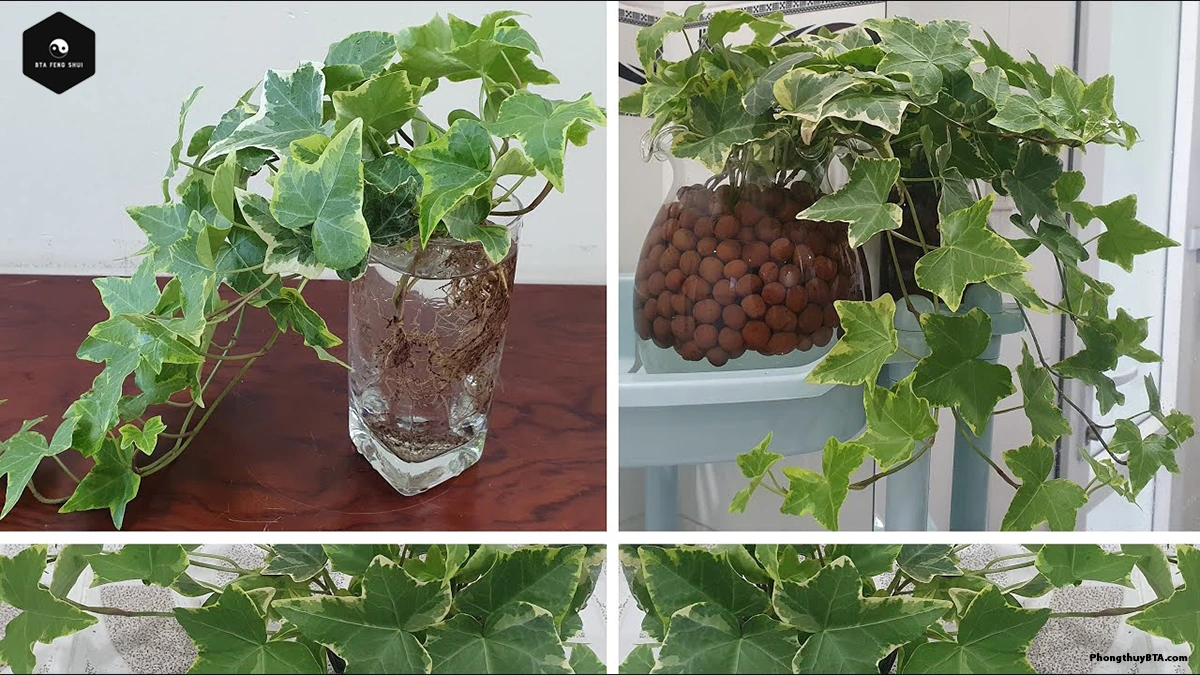
- Hydroponic Option: English ivy can thrive as a hedera helix indoor plant in water. Place cuttings in a vase with water, changing it weekly to prevent stagnation.
Light Requirements
- Ideal Conditions: English ivy light requirements include part shade to full shade outdoors, making it perfect under trees. Indoors, provide bright, indirect light, avoiding direct sunlight to prevent leaf scorch.
- Tips: Place near a north-facing window or use LED grow lights for consistent illumination.
Watering
- Frequency: Water when the top inch of soil feels dry, ensuring even moisture without sogginess. English ivy care indoors requires checking for proper drainage to avoid root rot.
- Winter Care: Reduce watering in winter but keep soil slightly moist.
Temperature and Humidity
- Temperature: Maintain 50-70°F (10-21°C) for optimal growth. Avoid temperatures above 75°F or below 45°F for extended periods.
- Humidity: Hedera helix care benefits from 40-60% humidity. Mist leaves or use a humidifier indoors to mimic its natural environment.
Fertilizing
- Schedule: Feed every 2-4 weeks during spring and summer with a balanced 10-10-10 or 20-20-20 fertilizer, diluted to half-strength.
- Winter: Stop fertilizing during dormancy to avoid stress.
Pruning
- When: Prune in spring to control growth and encourage bushiness. Pinch back tips or trim leggy stems with clean shears.
- Invasive Control: For English ivy outdoors, regularly trim to prevent it from overtaking trees or structures.
Repotting
- Frequency: Repot small plants annually, larger ones every 2 years, using fresh potting mix. Choose a pot only slightly larger to keep roots snug.
- Tips: Ensure proper drainage and water thoroughly after repotting.
Common Pests and Problems
- Pests: Watch for aphids, spider mites, and mealybugs. Spray with water or use neem oil for control.
- Diseases: Bacterial leaf spot and root rot are common. Remove affected areas and treat with a water-vinegar mix (10:1) for leaf spot or fungicide for root rot.
- Issues: Yellowing leaves may indicate overwatering or poor drainage. Adjust care accordingly.
Read more:
- Philodendron Plant Care: Feng Shui Harmony for Your Home
- Marble Queen Pothos: Feng Shui Benefits & Care Guide
Additional Benefits of English Ivy
Beyond its Feng Shui appeal, English ivy offers practical benefits for your home and well-being.
- Air Purification: English ivy houseplant absorbs harmful substances like benzene and nicotine, improving indoor air quality.
- Aesthetic Appeal: Its cascading vines add elegance to hanging baskets or as a climbing ivy on trellises.
- Medicinal Uses: Traditionally, its leaves have been used to treat inflammation, respiratory issues, and skin conditions, though ingestion is toxic and should be avoided.
Frequently Asked Questions About English Ivy
Is English Ivy Poisonous?
Yes, English ivy is toxic to humans and pets. Ingesting leaves or berries can cause vomiting, diarrhea, or skin irritation. Keep out of reach of children and animals.
How Fast Does English Ivy Grow?
English ivy grows rapidly outdoors, establishing within months. Indoors, it may take a year to establish before a growth spurt. Regular pruning controls its vigor.
Is English Ivy Invasive?
Yes, English ivy invasive species status applies in regions like California and the Pacific Northwest. Check local regulations before planting outdoors to prevent ecological damage.
Can English Ivy Grow Indoors?
Absolutely, English ivy indoors thrives with bright, indirect light and moderate humidity. It’s ideal for hanging baskets but requires careful watering to avoid root rot.
How to Care for English Ivy Plant?
For English ivy plant care, provide well-draining soil, indirect light, and water when the top inch of soil is dry. Fertilize biweekly in growing seasons and prune regularly.
If you found this guide on English ivy care and its Feng Shui benefits helpful, please leave a 5-star review and share it with fellow plant enthusiasts. Visit BTA Plants for more tips on creating a harmonious home!
Recommended Reading